SpaceX's $4.40 billion profit raises questions beyond the quarter
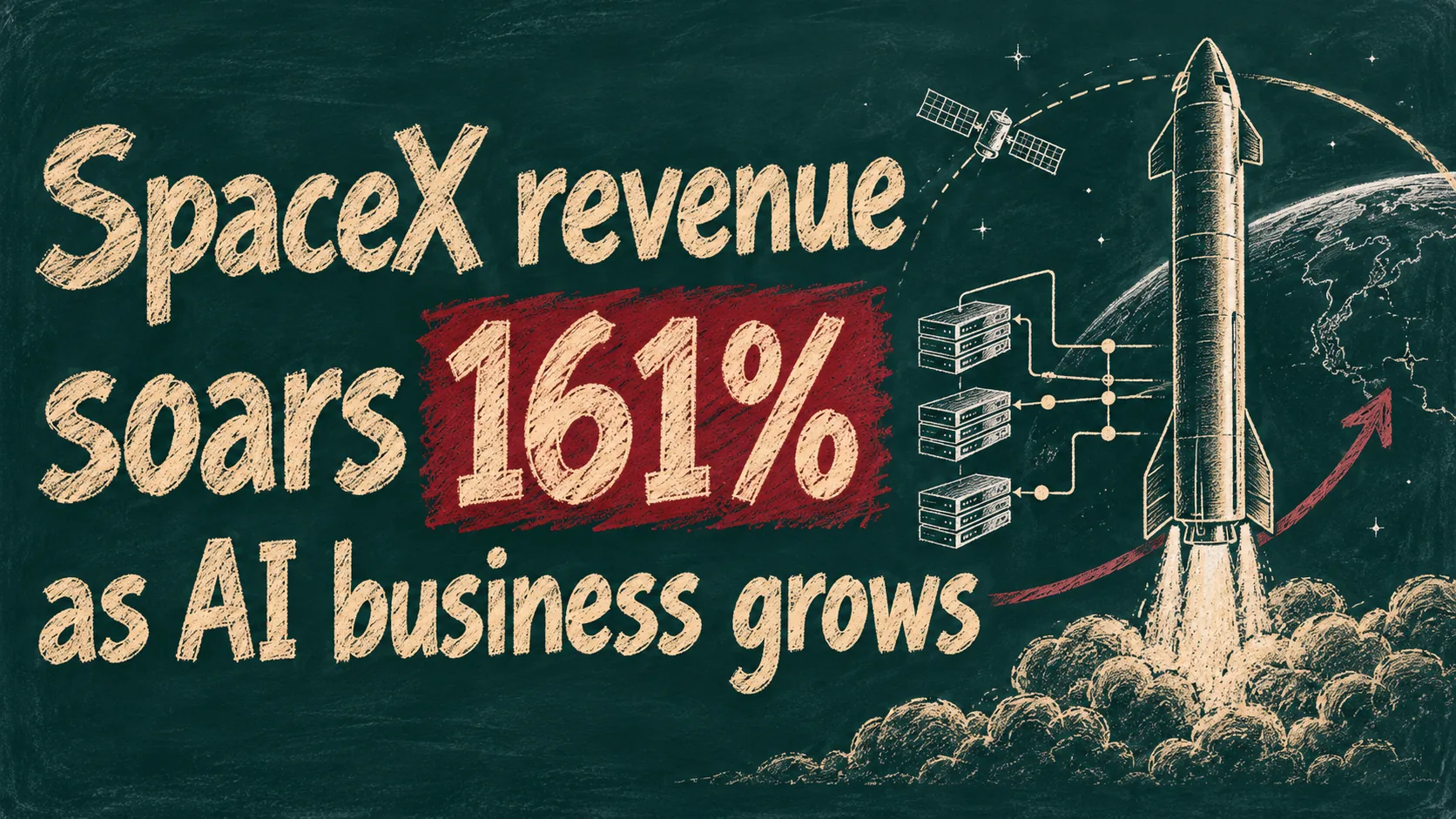
- SpaceX reported revenue growth of 161 per cent for the three months to September 2026 compared with the same period a year earlier.
- The company posted a profit of $4.40 billion, reversing a $1.05 billion loss a year earlier and a loss in the June quarter.
- Starlink generated $5.26 billion in connectivity revenue, up 69 per cent, and was identified as the main profit driver.
- The artificial intelligence unit moved from a $1.26 billion operating loss to $431 million of operating income despite continued data centre spending.
Nobody disputes that the figures improved in SpaceX’s second quarterly report as a listed company. The dispute is over what they are evidence of, and how much weight one quarter can bear. ABC News’s account of the results sets out both the scale of the improvement and the claims the company attaches to it.
The strongest case for treating the quarter as a genuine turn rests on where the money came from. Revenue for the three months to September 2026 rose 161 per cent against the same period a year earlier. The company reported a profit of $4.40 billion, having recorded a $1.05 billion loss a year before and a further loss in the June quarter. Starlink generated $5.26 billion in connectivity revenue, up 69 per cent, and was identified as the main profit driver. The artificial intelligence unit, which had posted a $1.26 billion operating loss, returned $431 million of operating income even while spending on data centres continued.
The sceptical case is narrower and harder to dismiss. A first profit, two disclosures into a public listing, is a single observation rather than an established pattern. Comparisons against a weak base flatter any growth rate. Operating income describes the running of a business, not the capital committed to building it, and the reported figures do not indicate how continuing data centre construction will be reflected in later results. Shares rose nearly 4 per cent in after-hours trading to about $153, with a valuation near $1.95 trillion. That is a statement about expectations, not about the quarter.
Two things are established: the disclosed figures, and the fact that satellite connectivity rather than the newer AI operations carried profitability. What remains uncertain is durability, and whether an operating measure taken mid-build is a fair guide to the cost structure that eventually emerges.
The governance question sits alongside the arithmetic. Elon Musk’s pledge to give a SpaceX share to every American child, an offer valued at roughly $11 billion, turns an earnings release into a question about who ends up holding equity and on what terms: whether such a distribution would be funded, diluted or merely promised. The mechanism has not been described in the material reported.
For institutions weighing AI tools in teaching and research, the parallel is narrower than the headline suggests. A claimed improvement means little without a stated baseline and a stated cost. The open question is whether a profitable quarter built on satellites and data centres tells us anything about AI’s economics generally, or only about one company’s particular position within them.