Urban Camera Density and the Surveillance Governance Gap
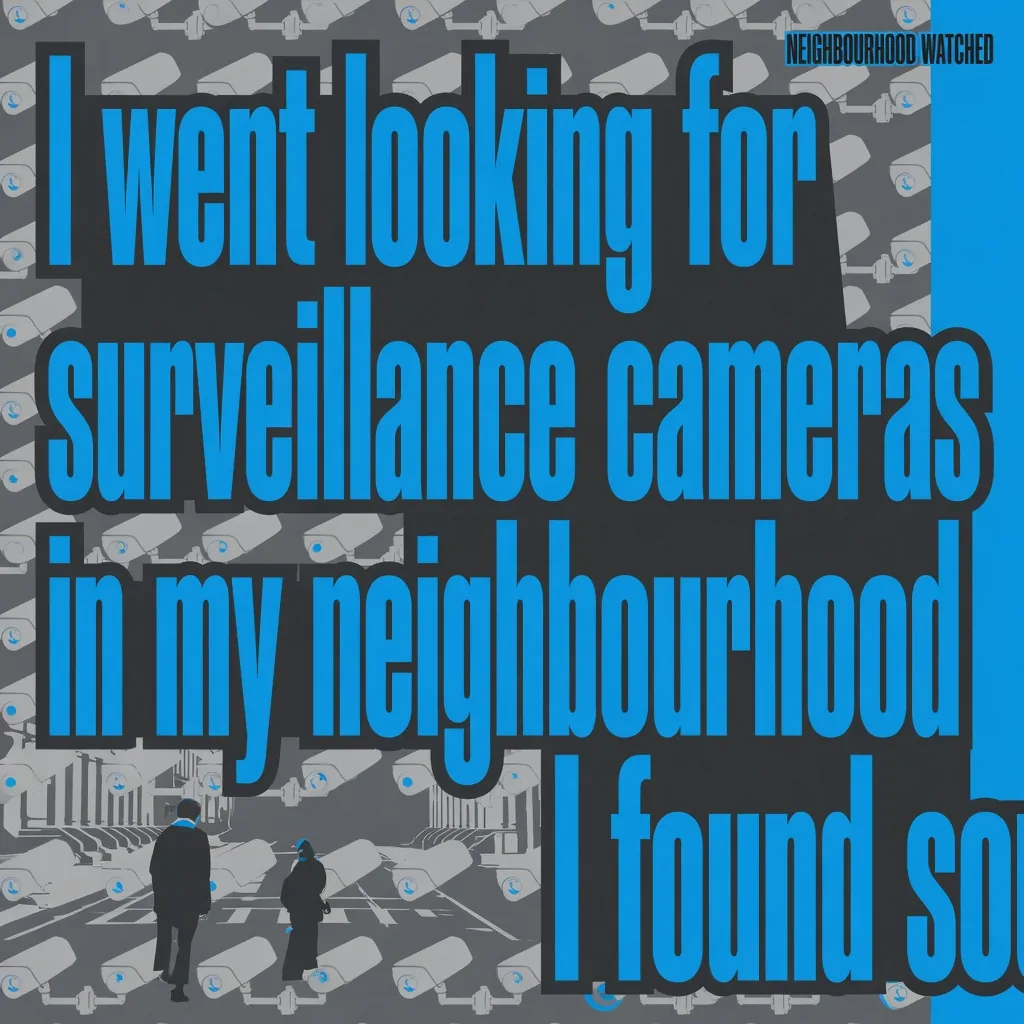
- New York City's Domain Awareness System links more than 80,000 cameras with drones, social media data and vehicle tracking, and officers can access profiles from their phones.
- Flock Safety says it runs over 100,000 cameras across roughly 6,000 US communities, scanning vehicles billions of times a month.
- At least 46 reported cases of officers using Flock tools for unauthorised personal ends include a Texas sheriff reportedly querying more than 83,000 cameras in an abortion-related search across state lines.
The real question is not whether cameras exist on city streets, but whether the systems that link them have outrun the public’s ability to understand what they collect and who decides how that data is used. A BBC investigation into how dense urban camera networks have become found that private and public cameras now saturate New York’s streetscapes in numbers most residents have never considered, yet documented abuses reveal governance structures struggling to keep pace.
New York City’s Domain Awareness System links more than 80,000 cameras with drones, social media data and vehicle tracking, and officers can access profiles from their phones. On a short walk through Brooklyn and Manhattan, a BBC correspondent counted sixteen cameras at a single spot, including business, building and city systems that the NYPD can often obtain by request. Flock Safety, which says it runs over 100,000 cameras across roughly 6,000 US communities and scans vehicles billions of times a month, provides a parallel network that law enforcement agencies deploy without city-level coordination. The pattern extends well beyond any single vendor or programme.
The documented cases of misuse reveal the governance problem underneath the technology. At least 46 incidents of officers using Flock tools for unauthorised personal purposes have been reported, and a Texas sheriff reportedly queried more than 83,000 Flock cameras in an abortion-related search that crossed state lines. These are not hypothetical risks; they are established facts about how interconnected camera systems can be repurposed once the infrastructure exists. Both Flock and the NYPD argue the technology helps solve serious crimes and say they want clearer rules, but critics dispute how those safety claims are measured, noting the absence of independent verification.
The density and interconnectedness of these networks matters because they reshape what is knowable about residents’ movements without requiring explicit consent or public debate. The open question is not whether cameras exist, but whether the systems linking them have outrun the public’s ability to understand what they collect and who decides how that data is used.