Salamanca Robot Pilot Tests AI Accountability
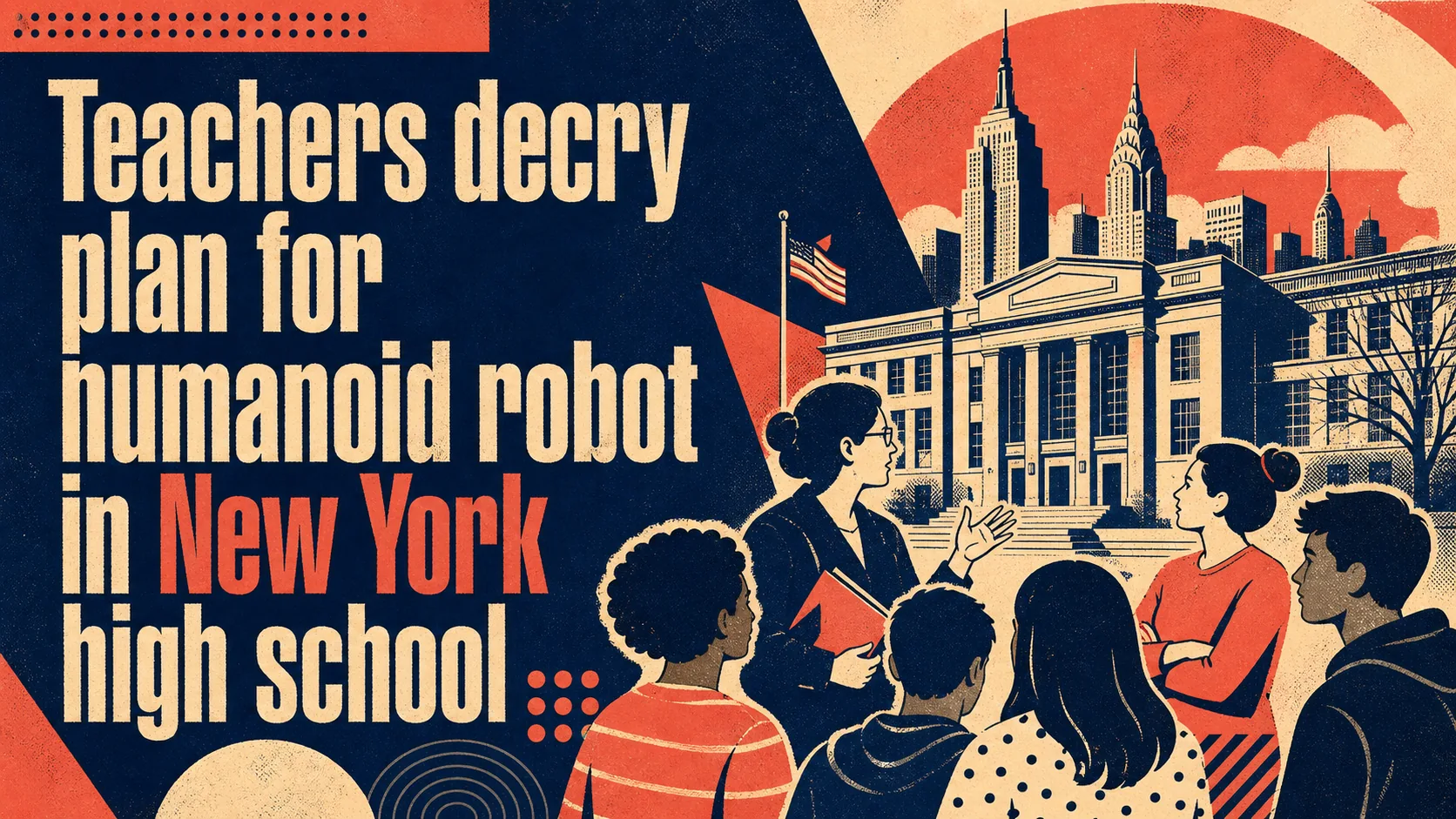
- Salamanca High School plans a limited fall 2026 pilot combining an AI assistant with a humanoid robot.
- Teachers have raised concerns about data storage, recording risks and AI protections in contract talks.
- Some Native residents criticised the pilot’s setting, citing the legacy of boarding schools.
- Honest AI use requires clear records, human responsibility and demonstrable pupil authorship.
In a school office, a teacher may already be weighing up whether an AI tool can help a pupil plan an essay without producing it for them. That judgement is difficult enough when the tool is on a screen. Salamanca High School’s proposed pilot brings a humanoid body into the equation.
The Guardian’s report on the planned Salamanca robot pilot describes a fall 2026 trial pairing Optio, an AI educational assistant, with a Realbotix M-Series humanoid robot called Sally. The district paid $57,590 for the unit. The company says the system is meant to support staff rather than replace them. The pilot is limited, but the practical questions are not.
A speaking, human-shaped machine changes the relationship between a classroom and an AI system. Pupils may take its conversational manner for authority or care, although neither exists in the human sense. Teachers must judge whether an answer is accurate, and whether the setting might encourage pupils to disclose personal information, defer to a machine or mistake simulated attention for pastoral support.
The setting makes those concerns sharper. Salamanca sits on the Allegany territory of the Seneca nation, and the article reports that almost 40% of its pupils are Native American. Some local Native residents have objected to the school being used as a test setting, citing the legacy of boarding schools. The Salamanca Teachers’ Association has also called for a pause, questioning the company’s background, data storage and possible recording. New York State United Teachers has argued that schools need more caring adults rather than technologies that imitate human relationships.
This does not require a blanket ban on AI in education. It requires a clearer account of a tool’s purpose, the data it handles, who can inspect its records and where a teacher remains responsible. An AI assistant might help a pupil compare sources, identify gaps in an argument or explain feedback in another form. Proper use depends on showing that the pupil did the thinking, retained control of their work and can account for any assistance received.
A humanoid interface makes those conditions more important, not less. The appeal of a machine that appears present in the room should not run ahead of evidence that it improves learning or safeguards pupils. What proof should an institution require before a human-looking system is allowed to shape classroom practice?